Speech-to-Text AI Tools – 7 Powerful Ways to Boost Productivity and Accuracy

Discover 7 powerful ways Speech-to-Text AI Tools can improve productivity, accuracy, and accessibility for businesses, creators, and professionals in 2025.
In today’s fast-moving digital world, Speech-to-Text AI Tools are revolutionizing how we work, communicate, and create. By turning spoken language into written text instantly, these tools are saving professionals hours of manual transcription and boosting productivity across industries.
Whether you’re a content creator, business professional, or student, Speech-to-Text AI Tools make documentation, note-taking, and content creation faster and more accurate than ever before.
In this article, we’ll explore seven powerful ways Speech-to-Text AI Tools can transform your workflow, how they work, and which tools lead the market today.
1. What Are Speech-to-Text AI Tools?
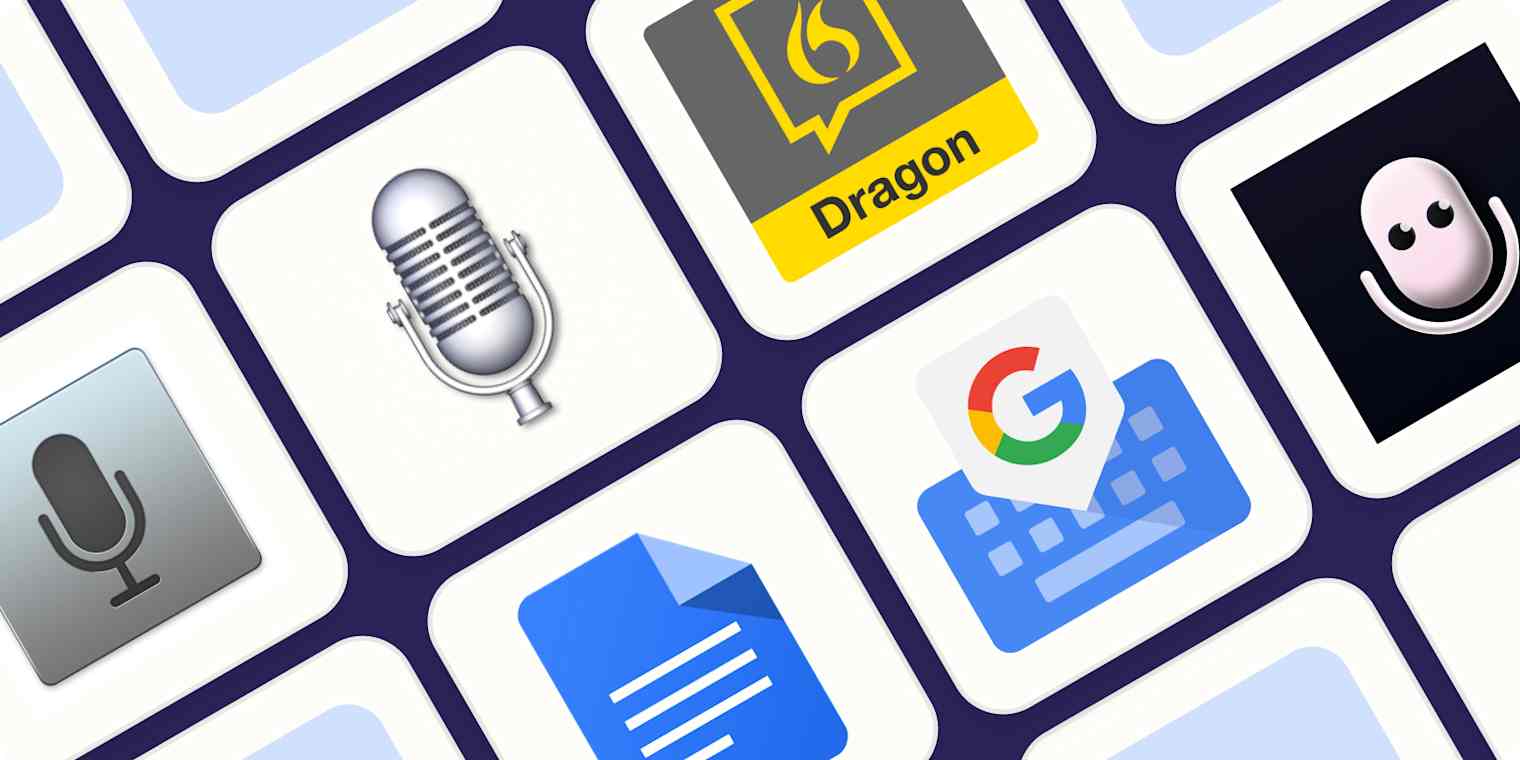
Speech-to-Text AI Tools are software applications powered by Artificial Intelligence that convert spoken words into written text in real time. They use advanced technologies such as Natural Language Processing (NLP), Deep Learning, and Automatic Speech Recognition (ASR) to understand and transcribe human speech with remarkable accuracy.
These AI systems continuously learn from large datasets, adapting to different accents, tones, and languages — making them ideal for global communication and remote work environments.
If you want a technical deep dive into ASR technology, check out IBM’s guide to Speech Recognition (DoFollow).
2. Why Speech-to-Text AI Tools Matter in 2025
The demand for Speech-to-Text AI Tools has skyrocketed due to remote work, video conferencing, and the rise of voice-driven technology. Professionals are using them for:
- Real-time meeting transcription
- Podcast and video captioning
- Customer support documentation
- Accessibility for the hearing-impaired
- Multilingual communication
According to a recent report from MarketsandMarkets, the global speech recognition market is expected to reach $30 billion by 2027, proving how vital these tools have become.
For internal insights, explore our related article on AI in Content Creation (internal link).
3. How Do Speech-to-Text AI Tools Work?
The process involves several key steps:
A. Audio Input
The AI system captures spoken audio through a microphone or recording.
B. Acoustic Modeling
The sound waves are analyzed and converted into digital data, mapping phonetic sounds to text patterns.
C. Language Modeling
AI predicts and structures the most probable word combinations to create readable text.
D. Machine Learning Optimization
Every interaction improves accuracy as the system learns from errors, accents, and context.
Leading tools like Google Speech-to-Text, Microsoft Azure Speech Services, and Otter.ai use neural networks that achieve up to 98% accuracy in ideal conditions.
Learn more from Google Cloud Speech-to-Text Documentation (DoFollow).
4. Top 7 Powerful Uses of Speech-to-Text AI Tools
1. Transcription for Meetings and Conferences
Tools like Otter.ai and Fireflies.ai can record and transcribe meetings automatically, tagging speakers and highlighting action items — making remote collaboration effortless.
2. Content Creation and Blogging
Writers and content creators use Speech-to-Text AI Tools to dictate articles, emails, and scripts hands-free, boosting productivity and reducing typing fatigue.
3. Education and Note-Taking
Students can use AI transcription to convert lectures into searchable notes, saving study time and improving comprehension.
4. Accessibility for the Hearing-Impaired
Speech-to-Text systems enhance inclusivity by offering real-time captioning for events, live streams, and online classes.
5. Customer Support Efficiency
Companies integrate Speech-to-Text AI Tools into call centers to analyze conversations, identify trends, and improve customer satisfaction.
6. Podcast and Video Subtitles
Podcasters and YouTubers use AI transcription for automatic captions, improving SEO and engagement.
7. Language Translation Integration
Some tools integrate real-time translation, allowing multilingual transcription for international teams and audiences.
Explore how AI enhances accessibility via Microsoft’s Accessibility Innovation Blog (DoFollow).
5. Benefits of Using Speech-to-Text AI Tools
• Enhanced Productivity
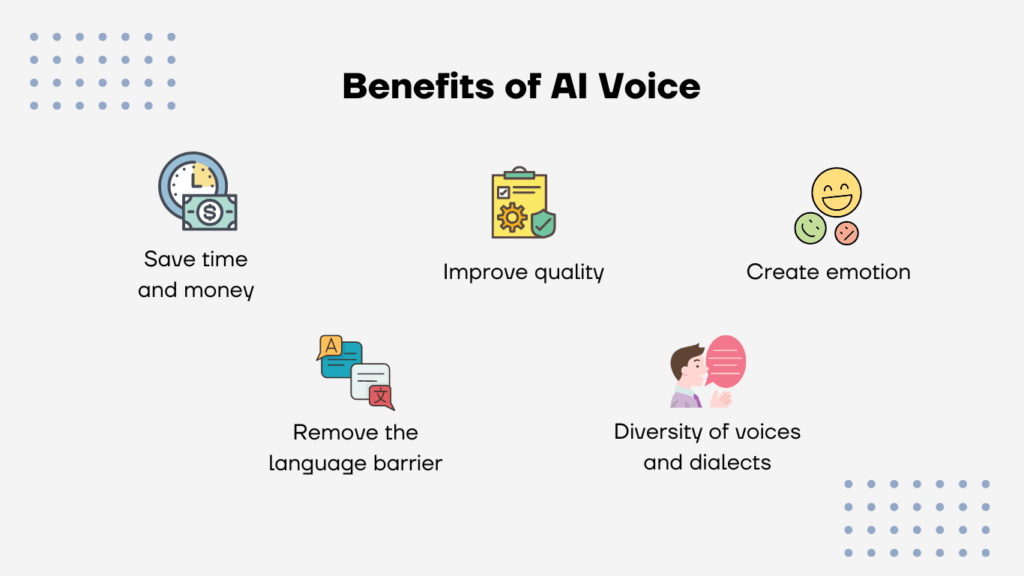
You can speak five times faster than you type. AI transcription drastically reduces time spent on documentation.
• Improved Accuracy
Machine learning allows AI systems to adapt to user speech over time, reducing errors and improving contextual understanding.
• Better Collaboration
Automatic transcriptions make it easy to share notes, meeting summaries, and ideas across teams.
• Cost Savings
Outsourcing transcription is expensive — AI provides a cost-effective alternative for businesses.
• Inclusivity
Real-time captioning ensures content accessibility for everyone, regardless of hearing ability.
6. Best Speech-to-Text AI Tools in 2025
Here are some of the top-rated tools that are redefining audio-to-text conversion:
- Otter.ai – Great for meetings and team collaboration.
- Google Speech-to-Text – Excellent accuracy and multi-language support.
- Microsoft Azure Speech – Enterprise-level scalability.
- Sonix.ai – Ideal for podcast and media transcription.
- Rev.ai – API-driven, perfect for developers.
- Whisper by OpenAI – Open-source model for developers and researchers.
- Descript – Combines transcription and video editing tools for creators.
These platforms continually update their AI models to deliver faster, more reliable results.
7. How to Choose the Right Speech-to-Text AI Tool
When selecting a platform, consider:
- Accuracy Rate: Look for tools with at least 90–95% accuracy.
- Integration: Choose one that works with your CRM, Zoom, or content software.
- Pricing: Many offer free trials or pay-as-you-go plans.
- Language Support: Ensure it supports your preferred languages.
- Security: Verify that it complies with GDPR or HIPAA if you handle sensitive data.
8. Future of Speech-to-Text AI Tools
The future of Speech-to-Text AI Tools looks promising. Advancements in deep learning and contextual awareness mean future systems will not only transcribe but also summarize, analyze sentiment, and even generate insights from speech data.
Imagine attending a meeting where your AI assistant records, summarizes key takeaways, and sends follow-up emails automatically. This is the next generation of productivity that AI is already building.
FAQs About Speech-to-Text AI Tools
1. What are Speech-to-Text AI Tools used for?
They convert spoken words into written text, ideal for transcribing meetings, lectures, interviews, podcasts, and customer calls.
2. How accurate are Speech-to-Text AI Tools?
Modern AI tools achieve up to 98% accuracy, depending on audio quality, accent, and noise level.
3. Are these tools secure?
Yes — most enterprise-grade platforms like Google and Microsoft encrypt your data and comply with strict privacy regulations.
4. Can Speech-to-Text AI Tools understand multiple languages?
Absolutely. Many tools support over 100 languages, including real-time translation features.
5. Do I need special hardware?
No, most tools work directly through your computer’s or smartphone’s built-in microphone.
Conclusion
Speech-to-Text AI Tools have moved far beyond simple transcription — they’re now intelligent assistants that boost accuracy, productivity, and accessibility across industries.
From business meetings to creative projects, these tools allow you to work faster and smarter. By integrating AI transcription into your workflow today, you’re not just saving time — you’re future-proofing your communication strategy.
eMiEKjAoMPKNxiTHFu
Your point of view caught my eye and was very interesting. Thanks. I have a question for you. https://accounts.binance.info/kz/register?ref=K8NFKJBQ