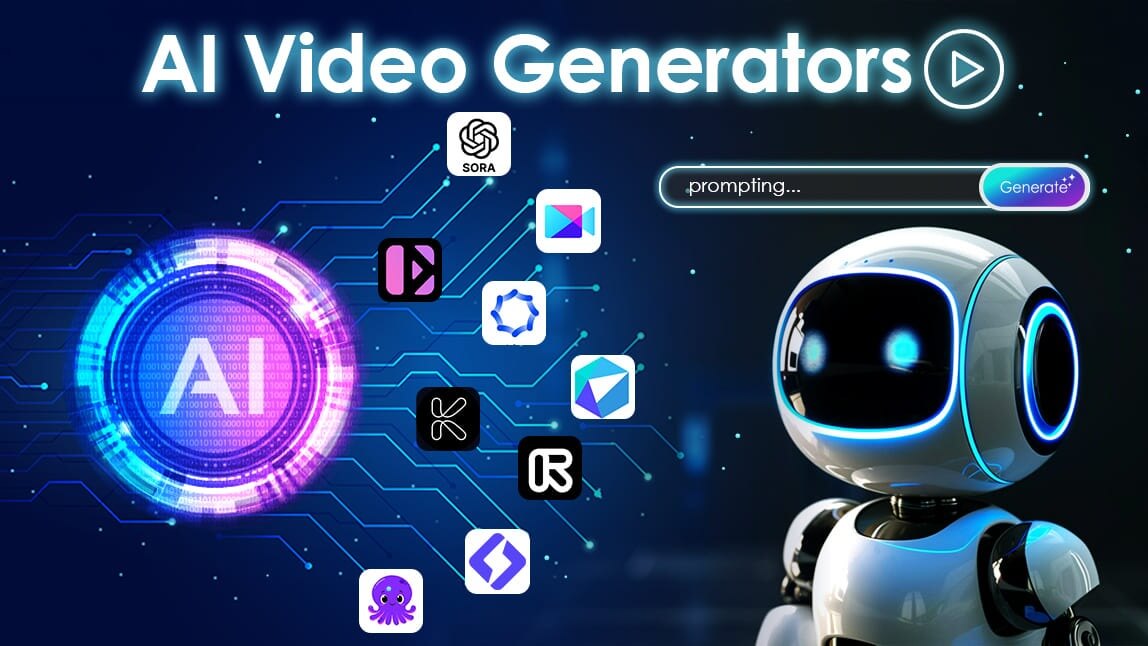
AI Tools for Video Editing – Transforming How You Make Videos
Discover the top AI tools for video editing, why they’re game-changers, and how to pick the right one for your needs.
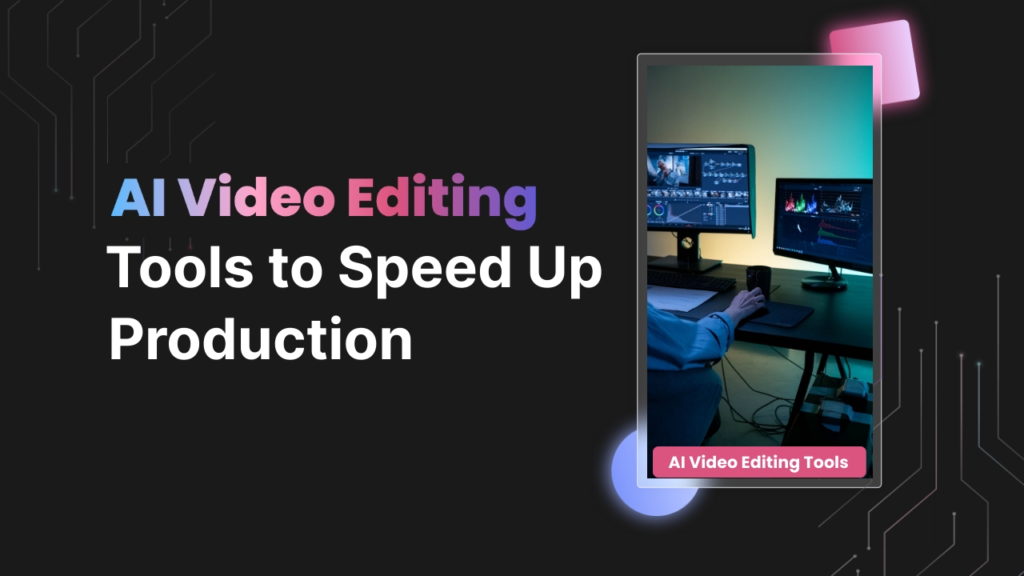
In recent years, AI tools for video editing have reshaped how creators, businesses, educators, and hobbyists produce video content. These smart tools automate repetitive tasks, help with creative decisions, and reduce editing time — all while making video production accessible to people who may not have deep technical expertise.
In this article, we’ll cover:
- What AI video editors are and how they work
- Key benefits of using AI tools for video editing
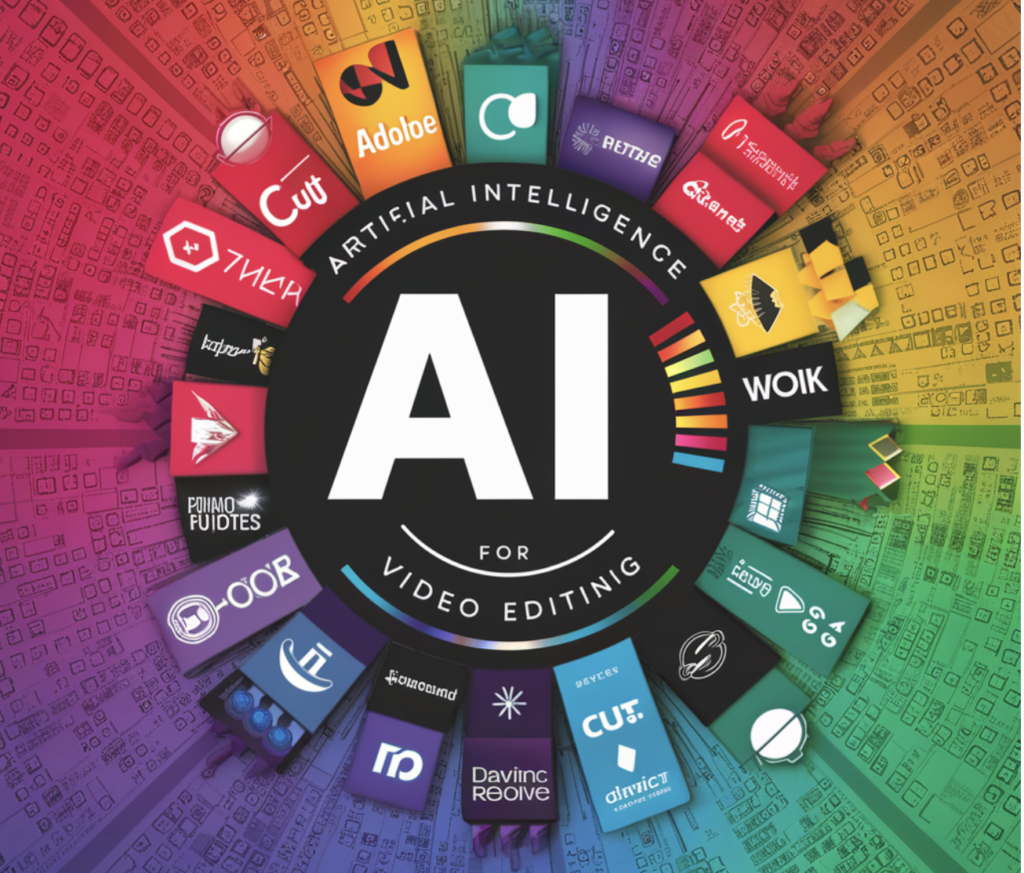
- Best AI tools available in 2025
- Challenges and limitations to be aware of
- How to choose the right AI tool for your video editing needs
- Future trends in AI-video editing
- FAQs
What Are AI Tools for Video Editing?
Definition & Core Features
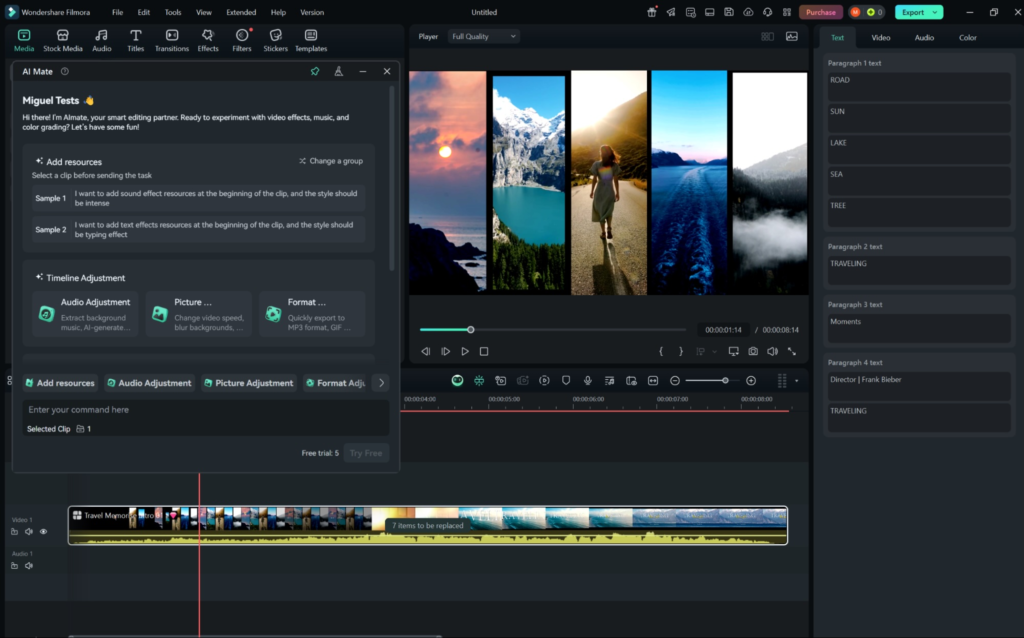
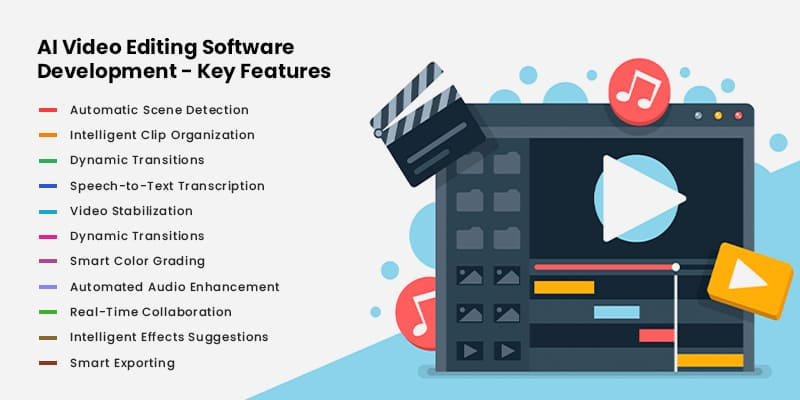
AI tools for video editing are software programs or platforms that use machine learning, computer vision, natural language processing, or other AI-based technologies to assist or automate parts of the video editing process. Some common features include:
- Auto-cutting silence or filler words
- Automatic subtitle generation & translation
- Script-to-video conversion
- Voice-overs and audio clean-up
- Intelligent transitions and effects
- Auto-color correction, stabilization, motion tracking
How AI Tools for Video Editing Work (Simplified)
Here’s a simple workflow for what happens under the hood when you use an AI video editor:
- Input: You upload raw video clips, audio, images, or provide a script/prompt.
- Analysis: The AI analyses content — detecting faces, speech, silence, motion, lighting, etc.
- Auto-Editing: Based on rules or models, AI trims, removes unnecessary parts, suggests transitions, colors, effects.
- Customization: You tweak via manual adjustments — editing timeline, changing effects, inserting assets.
- Export: Final rendering, choosing resolution, format, perhaps multiple aspect ratios.
Key Benefits of AI Tools for Video Editing
Using AI tools for video editing offers many advantages. Let’s explore them.
Faster Turnaround Time
AI automation can reduce editing, trimming, and refining from hours to minutes. As per recent comparisons, tools like Veed.io, Kapwing, Pictory automatically handle things like subtitles, filler removal, and format adjustments. glance.com+2topapps.ai+2
Accessibility & Ease of Use
You don’t need to be a professional editor. Many tools provide intuitive interfaces, templates, drag-and-drop editing; some even let you edit video via script. Descript, for example, lets you edit video by editing text. INSIDEA+1
Cost-Effectiveness
AI video editors tend to be more affordable than full professional-grade editing suites, especially for small groups, solo creators, or businesses. You avoid needing expensive editors or heavy hardware in many cases. Upwork+2PedroVazPaulo+2
Consistency & Branding
With templates, style presets, and theme consistency, AI tools maintain branded look across videos. For creators who post often or need to maintain a certain style, this helps a lot. glance.com+2topapps.ai+2
Multiformat Output & Social Media Optimization
AI tools often can auto-resize and format videos for different platforms (vertical for TikTok or Reels, square for Instagram, horizontal for YouTube). They also generate subtitles or summaries for better engagement. glance.com+1
Enhanced Creativity & Innovation
Some AI tools suggest creative ideas: auto effects, B-roll suggestions, transitions. Some even let you generate video from text scripts or prompts, opening up new creative workflows. Beebom+2Smore Science+2
Best AI Tools for Video Editing in 2025
Here are some of the leading AI tools for video editing you should know, with their strengths.
Descript
- Edit videos by editing transcript (delete text, remove mistakes/fillers) INSIDEA+1
- Overdub voice-cloning for fixing audio without re-recording INSIDEA
- Good for interviews, educational content, podcast style videos.
CapCut
- Very popular among short-form video creators (TikTok, Instagram) Beebom+1
- Removes filler words, auto cut tool, background removal, script-based video creation from text prompts. Beebom
InVideo
- Great for beginners, lots of templates, stock media, scripts to video tools. topapps.ai+2IMEI.info+2
- Tools for auto assembly, voice overs, branded content. IMEI.info+1
Wisecut
- Very good multi-language subtitles, automatic removal of pauses/silences, fitting content for social media formats. topapps.ai
Wondershare Filmora
- More manual control + AI assistance; good balance between professional and easy-use. Upwork
Opus Clip
- Converts long content into short viral clips, picks scenes, adds captions, makes content social media ready. Beebom
Challenges & Limitations of AI Tools for Video Editing
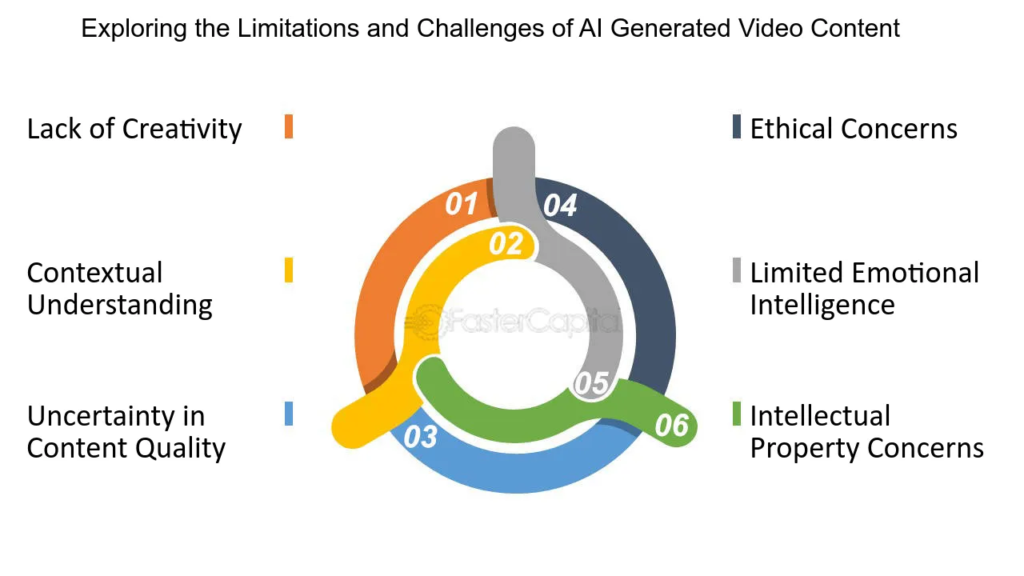
While powerful, AI tools for video editing aren’t perfect. You must know the trade-offs.
Loss of Creative Control
AI suggestions or auto-edits might not match your vision. Sometimes you want a certain cut, pacing, style that AI doesn’t intuitively get. Overriding it could be tedious. Video Caddy+1
Quality & Accuracy Issues
- AI auto captions or translations can have errors.
- Voice cloning or AI avatars may feel unnatural if overused.
- Stock media or generic transitions may make videos look formulaic.
Dependency on Good Inputs
If your raw footage, audio, or script is poor quality, AI can’t fully fix it. Garbage in, garbage out. Clean video, good lighting, good script still matter.
Pricing & Limitations
Many tools have free plans with limitations (watermarks, limited export resolution, restricted features). Premium plans can get expensive depending on usage. glance.com+1
Ethical & Copyright Concerns
Using AI-generated content, stock media, voice cloning, or avatars may involve licensing or ethical issues. Care needed about non-infringement and authenticity.
How to Choose the Right AI Tools for Video Editing
If you’re looking to adopt an AI video editor, here are criteria to evaluate.
Define Your Needs & Use Case
- What type of content do you create? (Interviews, social media shorts, explainer videos, lectures)
- How often do you edit?
- Do you need templates or full manual control?
- What platforms are you posting on?
Feature Set vs Simplicity
Some tools have rich features but steeper learning curves. Others are simple and fast but less customizable. Decide what you value: speed or creative flexibility.
Media Quality & Input Support
Check whether the tool supports formats/resolutions you need (4K, wide color gamut, etc.), audio tracks, external mics, etc.
Export Options & Aspect Ratios
Make sure you can export in required aspect ratios (vertical, square, horizontal), without watermarks (or affordable watermark removal), and with good resolution.
Pricing & Scalability
Check subscription costs, whether features are locked behind paywalls, if there is a free tier, if they charge per video or usage, etc.
Support & Community
- Is there good customer support?
- Tutorials or resources?
- Active community?
These help when you get stuck.
Flexibility & Customization
Auto features are great, but you may also need manual control for fine-tuning edits, color grading, or creative decisions. A hybrid tool (AI + manual) is often the best.
Future Trends in AI Tools for Video Editing

Looking ahead, here’s how AI tools for video editing are likely to evolve.
More Natural Language & Prompt-Based Editing
Editing via text commands (“remove this clip”, “make this portion slower”) or sketching interfaces. Tools like ExpressEdit show this direction. arXiv
Bigger Role of Generative AI
Text-to-video generation, automatic scene creation, AI‐avatars, and virtual presenters will get better, more realistic.
Improved Audio & Visual Realism
AI will keep improving voice cloning, lip sync, motion tracking, color fidelity, noise reduction. The boundary between amateur and pro will blur.
Ethical & Content Responsibility Features
Tools will include better detection for misuse, watermarking, licensing of stock assets, clearer attribution, and better guardrails for voice cloning.
Better Collaboration & Cloud-first Workflows
More cloud editing, team workflows, possibility to edit projects across devices, better syncing, real-time collaboration.
Frequently Asked Questions (FAQ) about AI Tools for Video Editing
Here are some common questions people ask when considering AI tools for video editing.
Q1. Do AI video editors replace human editors?
A: Not fully. While AI can automate repetitive or tedious parts (cutting silence, subtitles, scene detection), human creativity, taste, storytelling ability, and fine decisions are still very important. Use AI as a tool, not a complete substitute.
Q2. Can AI tools produce professional quality videos?
A: Yes — for many use cases (social media, promos, explainers), professionally acceptable quality can be achieved. For high-end film / cinema work, there are still areas where full-manual editing and expert hands matter.
Q3. Are AI video editing tools safe to use with my own content?
A: Generally yes, but check their policies. Ensure you own rights to input media, that voice cloning / AI avatar use is permitted, and that the tool’s privacy / data policies are acceptable.
Q4. Will videos made by AI look generic or template-like?
A: It can happen. The more you customize, adjust manually, and bring in your own style (fonts, colors, pacing, music), the less generic the video will feel. Blend AI suggestions with your personal creativity.
Q5. What is the learning curve for using these tools?
A: It depends. Some are very beginner-friendly (drag-and-drop, templates), others more advanced. Most have tutorials, sample projects. Usually you can be productive pretty quickly with basic editing, then grow into advanced features.
Q6. Do I need powerful hardware for AI tools?
A: Many AI tools work cloud-based, so local hardware requirements are modest. But higher resolution, complex effects, or editing large video files can still demand good CPU/GPU and fast storage.
Q7. How do pricing models differ?
A: Typically tools offer:
- Free tier (with limitations like watermark, lower resolution)
- Monthly / annual subscription
- Pay-per-use or credit-based usage in some tools
Compare features vs cost to ensure value.
Summary & Conclusion
The rise of AI tools for video editing has made video creation faster, more accessible, and more creative than ever before. Whether you’re a content creator trying to make social media clips, a business producing marketing materials, or an educator making lecture videos, these tools can save you time and boost quality.
To recap:
- Use AI tools to handle repetitive tasks and speed up workflows
- Pick tools based on your needs, features, and budget
- Keep control of the creative elements you care about most
- Stay aware of limitations and ethical issues

Your article helped me a lot, is there any more related content? Thanks!
Thanks for sharing. I read many of your blog posts, cool, your blog is very good. https://accounts.binance.info/es-MX/register?ref=GJY4VW8W
Your article helped me a lot, is there any more related content? Thanks!