VPNs and Privacy Tools 2025
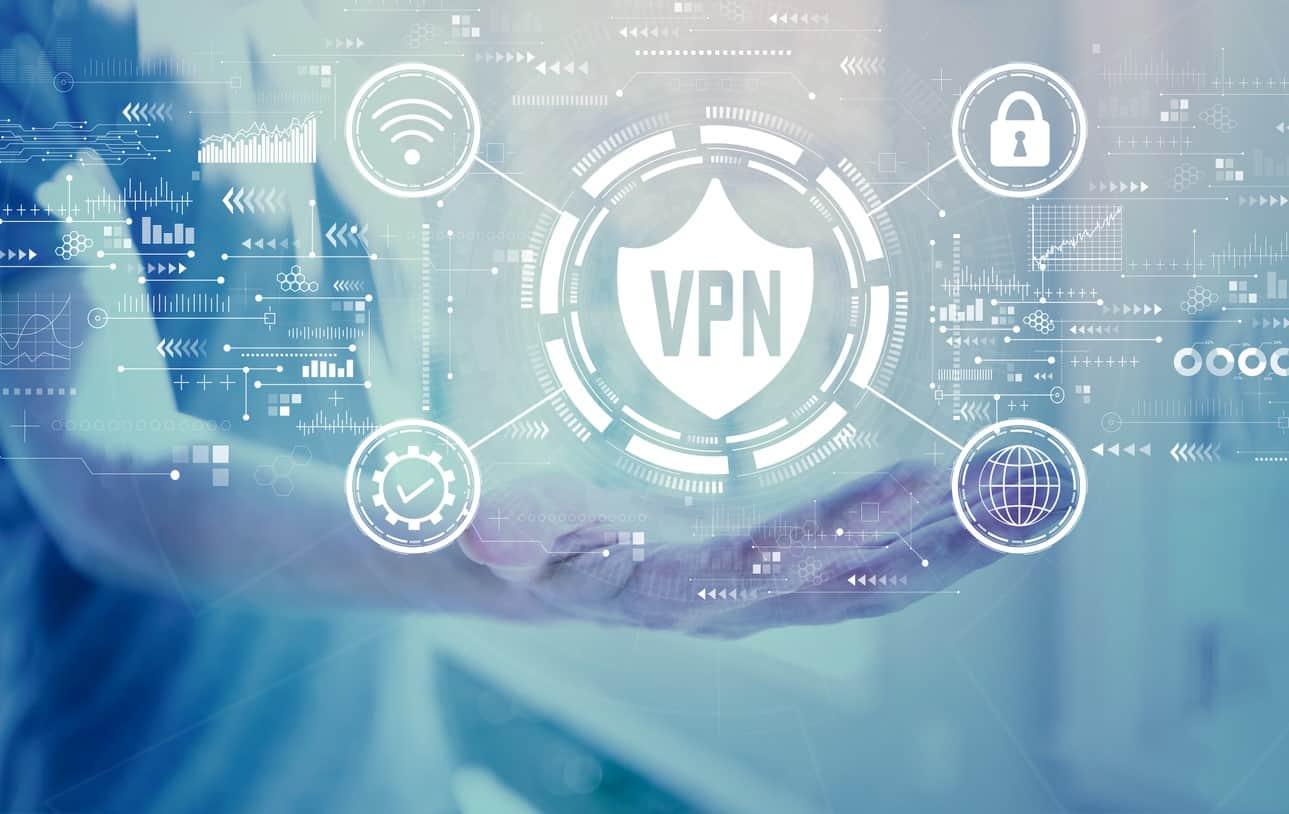
Explore the most powerful VPNs and Privacy Tools 2025 that protect your data, secure your identity, and help you stay anonymous online. Discover how privacy technology is changing in 2025 and what tools you should use to stay safe in the digital world.
In 2025, online privacy is not just a concern—it’s a necessity. With data breaches, cyberattacks, and AI-driven tracking systems becoming more advanced, protecting your digital identity is more important than ever. This is where VPNs and Privacy Tools 2025 step in to help you take control of your online life.
Whether you’re working remotely, shopping online, or streaming content, understanding how to use VPNs and privacy tools can keep your personal data secure and your internet experience safe.
What Are VPNs and Privacy Tools 2025?
Let’s start with the basics.
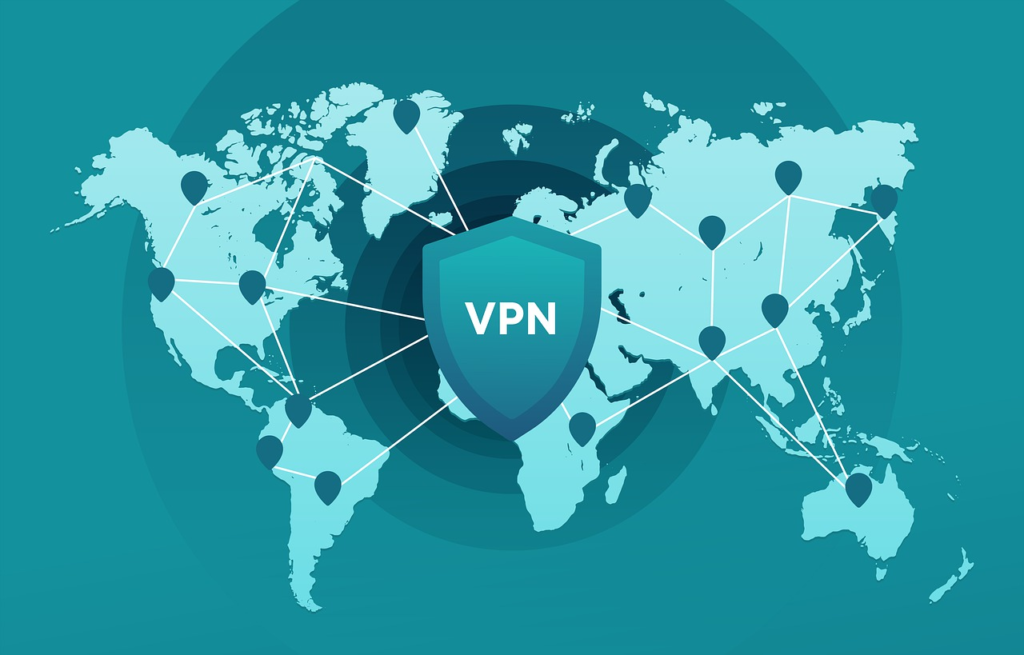
A VPN (Virtual Private Network) is a service that hides your real IP address and encrypts your internet connection, making it nearly impossible for hackers, ISPs, or third parties to track your online activities.
On the other hand, Privacy Tools are apps or software designed to enhance your digital privacy—like encrypted email services, anti-tracking browsers, password managers, and secure file storage systems.
In 2025, these tools are evolving to meet the challenges of a hyper-connected world where AI and machine learning can easily track and predict user behavior.
Why VPNs and Privacy Tools 2025 Are Essential
The internet has changed drastically in recent years. Every click, search, and scroll can be tracked, analyzed, and sold. Without the right tools, your online activity is an open book.
Here’s why using VPNs and Privacy Tools 2025 is critical:
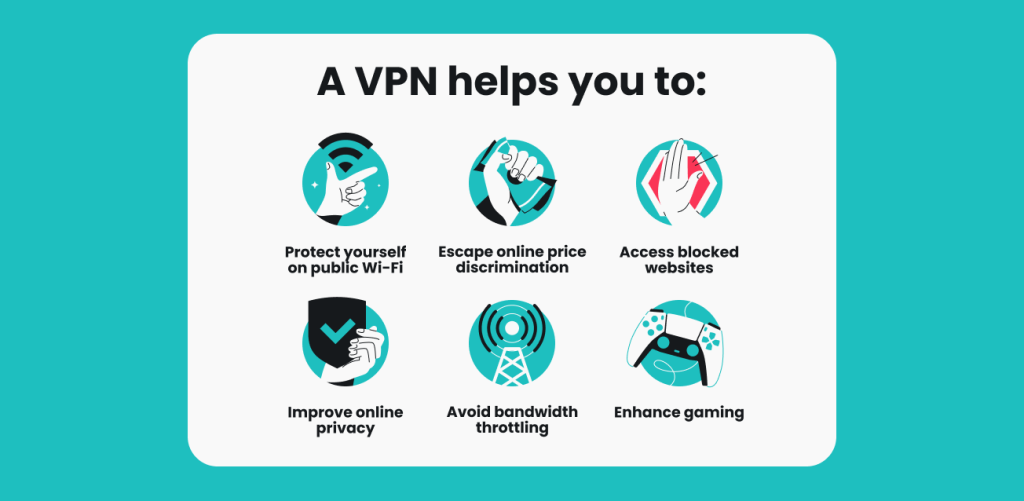
- Protection from Data Theft: VPNs encrypt your data, preventing hackers from stealing your information on public Wi-Fi.
- Privacy from Tracking: Privacy browsers and tools block cookies, ads, and hidden trackers.
- Freedom from Censorship: VPNs let you access global content without geographical restrictions.
- Anonymous Browsing: Your digital identity remains private from advertisers and data collectors.
- Enhanced Security: Two-factor authentication, password managers, and encryption tools reduce cyber risks.
These benefits make VPNs and privacy tools your first line of defense against modern digital threats.
How VPNs and Privacy Tools 2025 Work Together
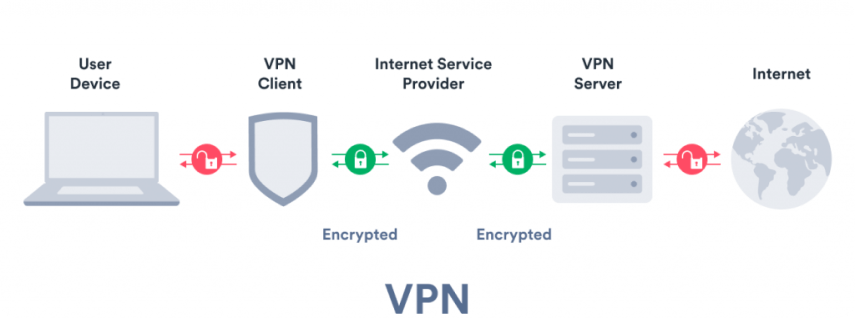
Think of VPNs and privacy tools as parts of a strong digital shield. A VPN hides your IP address and encrypts your data, while privacy tools strengthen that protection by keeping your browsing and communication secure.
Here’s how they complement each other:
- VPN: Protects your internet traffic and hides your location.
- Privacy Browser (like Brave or Tor): Blocks ads and tracking scripts.
- Password Manager (like Bitwarden or 1Password): Stores your passwords securely.
- Secure Messaging Apps (like Signal or Telegram): Keep your conversations private.
- Anti-Tracking Extensions: Stop third-party cookies from following you.
Together, they create a safe digital environment where your personal information stays private.
The Rise of AI-Driven VPNs and Privacy Tools 2025
The latest VPNs and Privacy Tools 2025 are integrating artificial intelligence to make security smarter and more adaptive.
For example:
- AI-based threat detection automatically blocks suspicious websites.
- Machine learning algorithms improve speed and server selection.
- Smart encryption adjusts security levels depending on your network environment.
AI ensures that your privacy protection evolves in real time, giving you better control and safety online.
Top VPNs and Privacy Tools 2025 to Try
If you want to stay secure in 2025, here are the top tools you can trust:
| Tool Name | Type | Key Features | Best For |
|---|---|---|---|
| NordVPN | VPN | Meshnet, Threat Protection, 6000+ servers | Overall performance |
| ExpressVPN | VPN | Lightway protocol, fast servers | Streaming & security |
| Proton VPN | VPN | Swiss-based, open source | Privacy-focused users |
| Brave Browser | Browser | Built-in ad & tracker blocker | Secure browsing |
| DuckDuckGo | Search Engine | No tracking or data collection | Anonymous searching |
| Bitwarden | Password Manager | Open source, secure vault | Managing passwords |
| ProtonMail | Email Service | End-to-end encryption | Private communication |
| Signal | Messaging App | Encrypted messages | Personal chats & calls |
Each of these tools plays a different but crucial role in your privacy strategy.
Common Myths About VPNs and Privacy Tools 2025
Many people still have misconceptions about these tools. Let’s debunk a few:
- Myth 1: “VPNs are only for hackers.”
→ False. VPNs are for anyone who values online privacy. - Myth 2: “Free VPNs are safe.”
→ Most free VPNs sell your data or show ads. Always choose trusted providers. - Myth 3: “I don’t need privacy tools if I’m not doing anything wrong.”
→ Privacy is a right, not a crime. Protecting your data is self-defense, not secrecy.
How to Choose the Right VPNs and Privacy Tools 2025
Here’s a checklist for selecting the best tools for you:
- Check for No-Log Policy: Ensure the VPN doesn’t store your browsing history.
- Review Security Protocols: Look for AES-256 encryption and secure tunneling.
- Consider Server Locations: More servers mean faster and more flexible connections.
- Look for Cross-Platform Compatibility: Choose tools that work on all your devices.
- Read User Reviews: Community feedback helps identify trustworthy providers.
Always prioritize security and transparency over flashy marketing.
The Future of VPNs and Privacy Tools 2025
As the world becomes more digital, privacy tools are becoming smarter and more essential. Here’s what the future holds:
- Integration with IoT devices: VPNs will protect smart home devices.
- Blockchain-based privacy tools: Decentralized systems will ensure data integrity.
- Quantum encryption: Next-gen security for quantum computing threats.
- AI-driven personal privacy assistants: Automate privacy settings based on user habits.
The focus will shift from “hiding” to empowering users to control their data.
Why You Should Start Using VPNs and Privacy Tools 2025 Today
The longer you wait, the more vulnerable your data becomes. Privacy threats are increasing, and cybercriminals are getting smarter every year.
Using VPNs and Privacy Tools 2025 gives you peace of mind and protects your digital freedom. It’s not about being paranoid—it’s about being prepared.
Remember:
- Your data is valuable.
- Your privacy is a right.
- And your security begins with awareness and action.
Final Thoughts on VPNs and Privacy Tools 2025
The future of online security is not just about technology—it’s about trust, transparency, and empowerment. By using the right VPNs and Privacy Tools 2025, you take control of your digital identity and protect your personal information from prying eyes.
So, whether you’re a casual user, a business owner, or a digital nomad, start today. The tools are here—the choice is yours.
FAQs
1. Are VPNs legal in all countries?
Most countries allow VPNs, but some restrict their use. Always check local regulations before using one.
2. Do VPNs protect against hackers?
Yes, they encrypt your connection, making it nearly impossible for hackers to intercept your data.
3. Can I use one VPN on multiple devices?
Absolutely. Most top VPNs allow 5–10 simultaneous connections.
4. What’s the best free privacy tool?
DuckDuckGo, Brave Browser, and ProtonMail offer strong free privacy features.
5. Will VPNs work on mobile phones?
Yes, mobile VPN apps are available for Android and iOS with full security features.