
AI plus IoT Smart Home Gadgets: The Future of Intelligent Living
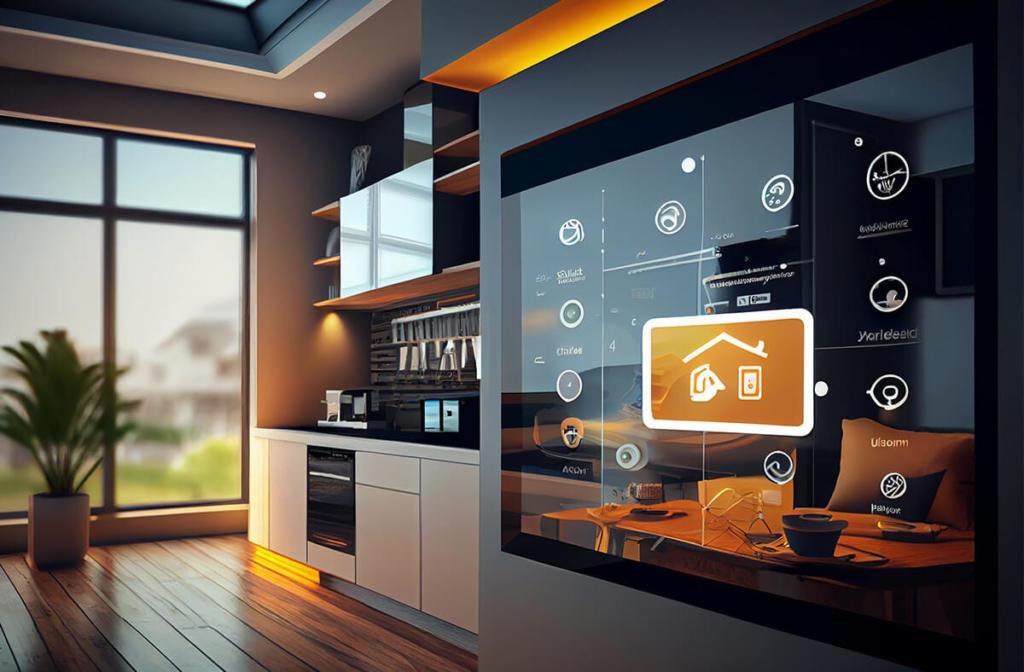
Discover how AI plus IoT Smart Home Gadgets are transforming modern living. Learn how connected devices, automation, and artificial intelligence are making homes smarter, safer, and more energy-efficient.
The rise of AI plus IoT Smart Home Gadgets has revolutionized the way we live, work, and interact with our surroundings. From voice-controlled lighting to intelligent security systems, smart homes are no longer a luxury—they’re the future of everyday living.
Artificial Intelligence (AI) and the Internet of Things (IoT) are merging to create intelligent ecosystems that can learn, adapt, and respond to our behaviors. These technologies enable homes to anticipate needs, automate daily tasks, and enhance comfort, convenience, and security.
In this guide, we’ll explore how AI plus IoT Smart Home Gadgets are transforming modern households, key examples of innovative devices, benefits, challenges, and what the future holds for connected living.
Table of Contents
- Understanding AI and IoT in Smart Homes
- How AI and IoT Work Together
- Benefits of AI plus IoT Smart Home Gadgets
- Popular AI plus IoT Smart Home Devices
- Smart Assistants and Voice Control
- Smart Security Systems and Surveillance
- Smart Energy and Lighting Solutions
- AI in Smart Kitchens and Appliances
- Smart Health and Wellness Devices
- Challenges in AI and IoT Integration
- Data Security and Privacy Concerns
- Future Trends in AI plus IoT Smart Homes
- How to Choose the Right Smart Home Devices
- Final Thoughts
- FAQs
1. Understanding AI and IoT in Smart Homes

What is AI?
Artificial Intelligence (AI) refers to systems that can perform tasks requiring human intelligence—such as learning, reasoning, and problem-solving. In smart homes, AI helps devices understand user preferences and automate decisions.
What is IoT?
The Internet of Things (IoT) is a network of interconnected devices that communicate with each other through the internet. These devices collect and exchange data to provide real-time insights and control.
Together, AI plus IoT Smart Home Gadgets make homes responsive and adaptive—learning from user habits and adjusting environments automatically.
2. How AI and IoT Work Together

AI and IoT complement each other perfectly. IoT devices collect data through sensors (temperature, light, motion), and AI analyzes that data to make intelligent decisions.
For example:
- IoT sensors detect that you’ve arrived home.
- AI then triggers your lights, adjusts the thermostat, and starts your favorite playlist automatically.
This synergy makes AI plus IoT Smart Home Gadgets the ultimate solution for automation and personalization.
3. Benefits of AI plus IoT Smart Home Gadgets

a. Convenience and Automation
AI learns user routines—when you wake up, what temperature you prefer, and when to lock doors—automating tasks for a seamless experience.
b. Energy Efficiency
Smart thermostats and lighting systems powered by AI and IoT can significantly reduce energy consumption by adjusting settings automatically.
c. Enhanced Security
AI-based surveillance cameras and IoT-enabled door locks offer real-time alerts, facial recognition, and remote access—improving home safety.
d. Cost Savings
Automating energy and maintenance reduces utility costs. Predictive AI systems can detect issues early, saving repair expenses.
e. Improved Accessibility
AI-powered voice assistants make smart homes accessible for elderly and disabled individuals, offering voice control and automated routines.
4. Popular AI plus IoT Smart Home Devices
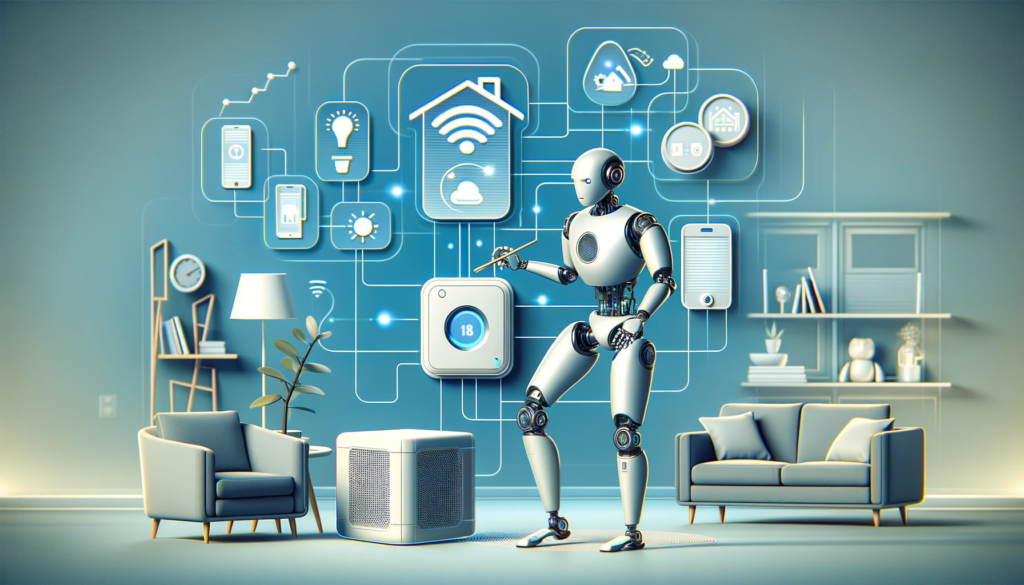
Some popular AI plus IoT Smart Home Gadgets include:
- Amazon Echo (Alexa) – Voice assistant that controls multiple IoT devices.
- Google Nest Hub – AI-driven home automation hub for controlling lights, cameras, and thermostats.
- Philips Hue Smart Lights – IoT lighting that adjusts based on mood and activity.
- Ring Video Doorbell – AI-enabled security camera with motion detection and facial recognition.
- Ecobee Smart Thermostat – Uses AI to learn heating and cooling preferences.
- Samsung SmartThings – IoT platform connecting all devices into one ecosystem.
These devices showcase the power of AI and IoT integration, offering comfort, safety, and personalization.
5. Smart Assistants and Voice Control
Voice-Activated Systems
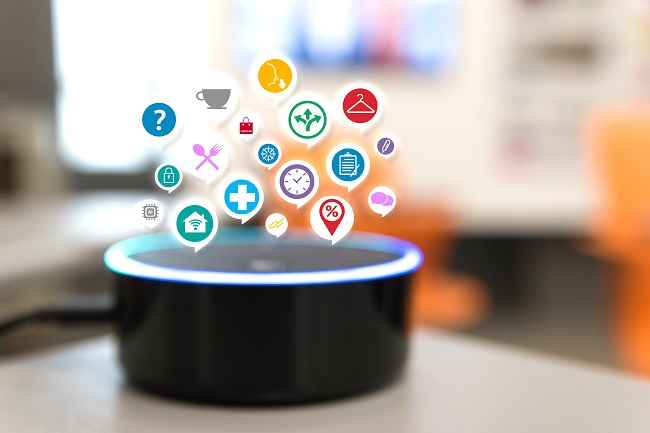
Smart assistants like Alexa, Google Assistant, and Siri have become central to smart homes. They enable voice control for everything from lights and thermostats to entertainment systems.
Personalized Experiences
AI processes user commands, learns from past behavior, and tailors responses. For instance:
- Saying “Good Night” can turn off lights, lock doors, and adjust temperature.
Voice assistants are at the core of AI plus IoT Smart Home Gadgets, bridging user interaction with automation.
6. Smart Security Systems and Surveillance
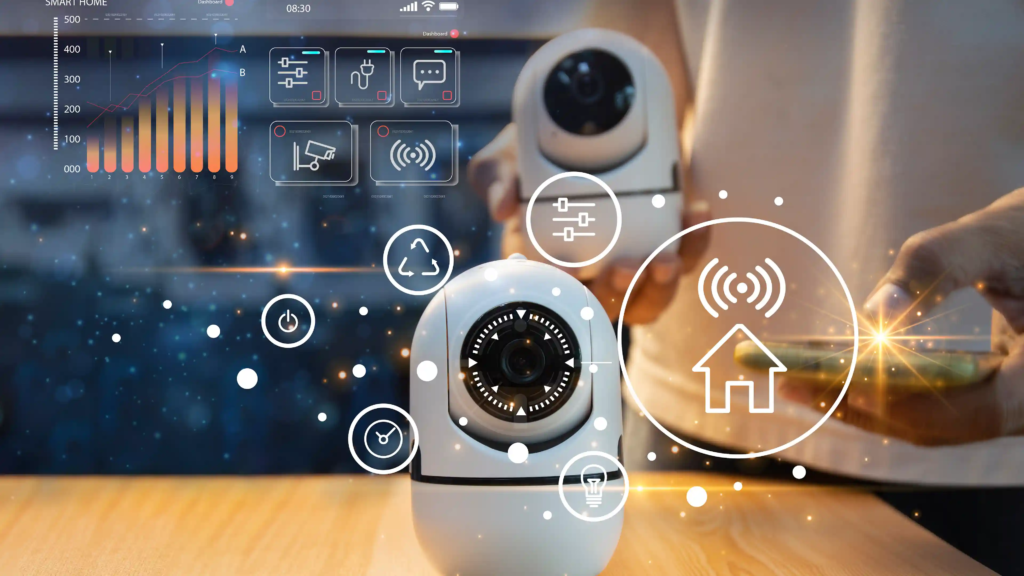
AI-Driven Security Cameras
AI-based cameras use object recognition to detect intruders, pets, or familiar faces. IoT enables remote viewing through mobile apps.
Smart Door Locks
IoT-enabled smart locks can be controlled via smartphones or voice assistants. AI can even grant access based on facial or voice recognition.
Real-Time Alerts
When suspicious activity is detected, IoT sends real-time notifications, while AI filters out false alarms using pattern analysis.
Examples
- Google Nest Cam
- Arlo Pro 4
- August Smart Lock Pro
These tools make AI plus IoT Smart Home Gadgets vital for home security.
7. Smart Energy and Lighting Solutions

AI-Enhanced Energy Management
AI algorithms analyze power consumption patterns, adjusting usage to save energy.
Smart Lighting Systems
IoT lighting can change color, brightness, or schedule based on time or mood. AI helps optimize lighting for comfort and efficiency.
Top Devices
- Philips Hue
- LIFX Smart Bulbs
- TP-Link Kasa Smart Plugs
Benefits
- Lower electricity bills
- Environmentally friendly homes
- Personalized ambience
8. AI in Smart Kitchens and Appliances
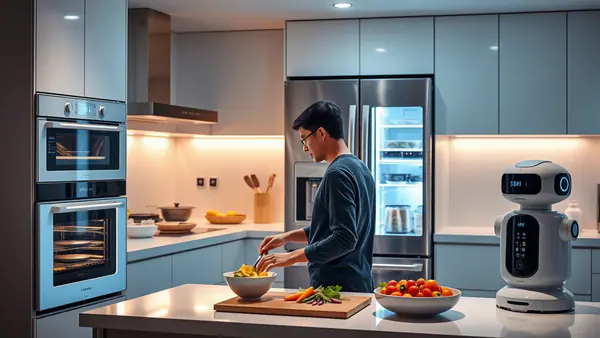
The kitchen is becoming a tech hub. AI plus IoT Smart Home Gadgets bring automation and intelligence into cooking.
Smart Refrigerators
AI tracks food inventory, suggests recipes, and alerts when items expire.
Example: Samsung Family Hub Refrigerator.
Connected Ovens
IoT ovens preheat automatically or adjust cooking time based on the dish.
Example: June Smart Oven.
Voice-Controlled Coffee Machines
AI assistants can start brewing coffee before you wake up.
These innovations simplify cooking and reduce waste.
9. Smart Health and Wellness Devices

Wearable Health Monitors
IoT-enabled smartwatches and fitness trackers (like Apple Watch or Fitbit) collect health data, while AI analyzes it for insights.
Smart Air Purifiers
AI optimizes air quality based on sensor data.
Example: Dyson Pure Cool.
Sleep Monitoring Systems
AI and IoT combine to track sleep patterns and adjust environment conditions.
Elderly Care Devices
AI can detect falls or unusual patterns, sending alerts to caregivers in real time.
The combination of AI plus IoT Smart Home Gadgets ensures homes support not just comfort, but health and well-being too.
10. Challenges in AI and IoT Integration

Despite the benefits, merging AI and IoT comes with challenges:
- Compatibility between different device brands
- High initial setup costs
- Dependence on stable internet connection
- Potential data overload without proper AI management
Manufacturers are working toward universal standards to address these issues.
11. Data Security and Privacy Concerns

With so many connected devices, data security becomes critical.
Potential Risks
- Unauthorized access to devices
- Data breaches
- Misuse of personal information
Best Practices
- Use encrypted Wi-Fi connections
- Regularly update firmware
- Enable two-factor authentication
- Choose trusted brands with transparent privacy policies
Protecting user data ensures that AI plus IoT Smart Home Gadgets remain beneficial, not intrusive.
12. Future Trends in AI plus IoT Smart Homes

The next wave of innovation will include:
Predictive Intelligence
AI will predict user needs before they’re voiced—like adjusting lights or suggesting meals.
Edge Computing
Processing data locally on devices will improve speed and privacy.
Sustainability Integration
AI systems will prioritize eco-friendly operations, minimizing energy waste.
Interconnected Ecosystems
Homes, vehicles, and cities will connect seamlessly for unified smart living experiences.
13. How to Choose the Right Smart Home Devices

When selecting AI plus IoT Smart Home Gadgets, consider:
- Compatibility – Ensure devices work with your ecosystem (Alexa, Google Home, Apple).
- Security – Check encryption and firmware updates.
- Ease of Use – Look for simple setup and integration.
- Scalability – Choose devices that can grow with your needs.
- Support and Warranty – Trusted brands offer long-term updates and support.
14. Final Thoughts
AI plus IoT Smart Home Gadgets are redefining modern lifestyles. By combining automation, intelligence, and interconnectivity, these innovations create homes that think, respond, and care.
From saving energy to enhancing security and convenience, the synergy of AI and IoT offers limitless potential. As technology advances, the dream of fully autonomous smart homes is closer than ever.
Whether you’re starting small with smart bulbs or planning a full home automation system, embracing AI plus IoT Smart Home Gadgets is an investment in smarter, safer, and more sustainable living.
15. FAQs
Q1. What are AI plus IoT Smart Home Gadgets?
These are connected devices that combine artificial intelligence and IoT to automate and optimize home functions like lighting, security, and appliances.
Q2. Are AI smart home devices safe?
Yes, but choose reputable brands and ensure your network security is strong.
Q3. Can AI plus IoT save energy?
Absolutely. Devices like smart thermostats and lighting systems automatically reduce unnecessary energy consumption.
Q4. Do smart home gadgets require Wi-Fi?
Most IoT devices do, as they rely on internet connectivity for communication and updates.
Q5. What is the future of AI and IoT in smart homes?
The future will see more predictive, eco-friendly, and interconnected systems powered by AI and IoT.