
Content Marketing Trends 2025: What Every Marketer Must Know

Discover the most important content marketing trends 2025 shaping strategy today — from AI-powered content creation and short-form video to authenticity, search evolution, and personalization. Be ready for the next wave.
As we enter the next phase of digital content, staying ahead means understanding the content marketing trends 2025 that are reshaping how brands connect, create, distribute, and measure. Whether you’re running a blog, managing a brand’s digital presence, or leading marketing for a startup, these trends will impact how you plan, produce, and promote content.
In this comprehensive guide we’ll explore what to expect in 2025, why these trends matter, how to incorporate them into your strategy, what pitfalls to avoid, and how to measure success around content. Let’s dive into the content marketing trends 2025 you cannot ignore.
Table of Contents

- What Does “Content Marketing Trends 2025” Mean?
- Why These Trends Matter for Your Strategy
- Key Content Marketing Trends 2025
- 3.1 AI-Driven Content Creation & Automation
- 3.2 Short-Form Video / Snackable Content Formats
- 3.3 Authenticity, Purpose & User-Generated Content
- 3.4 Search Everywhere, Answer Engines & New Search Paradigms
- 3.5 Hyper-Personalization & Data-Driven Content
- 3.6 Distribution Diversity & Platform Ecosystems
- 3.7 “Be the Source” Content – Unique Data, Research & Authority
- 3.8 Sustainability, Ethics & Brand Purpose in Content
- How to Adopt These Content Marketing Trends 2025
- Common Mistakes to Avoid
- Measuring Success in 2025’s Content Landscape
- Future Outlook: Content Marketing Beyond 2025
- Summary & Actionable Checklist
- FAQs
1. What Does “Content Marketing Trends 2025” Mean?
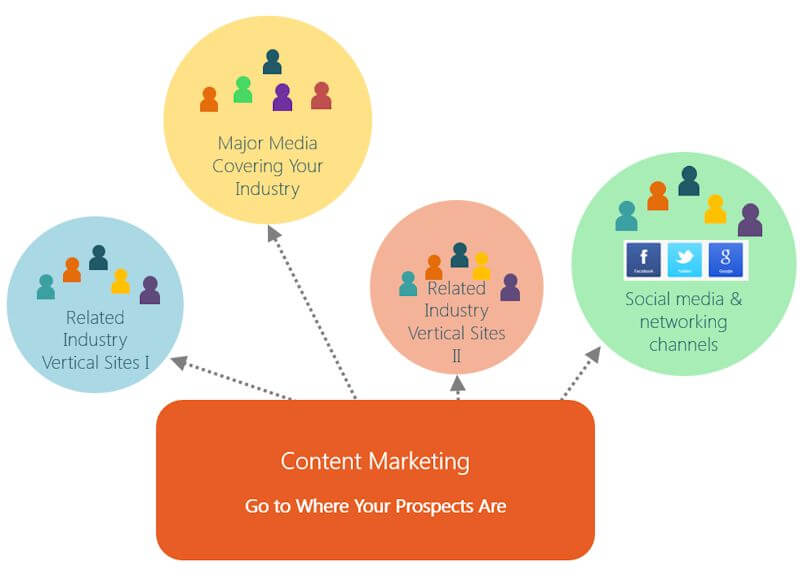
When we refer to content marketing trends 2025, we’re talking about the evolving undercurrents that will shape how content is created, distributed and consumed over the coming year. These aren’t just minor tweaks — they reflect bigger shifts in technology (AI, automation), user behavior (short-form video, multi-platform consumption), context (search evolution, answer engines), and brand expectations (purpose, authenticity).
For example: one overview notes that short-form video, personalization, and “search everywhere optimisation” will drive strategy in 2025. Neil Patel+2Typeface+2 Another source calls out “marketers will build uniqueness moats around content” and “AI stacks will expand exponentially”. WordStream
Understanding these trends helps you craft content that’s not only current, but future-proof.
2. Why These Trends Matter for Your Strategy
2.1 Attention Is Scarcer Than Ever
Consumers face more content than ever across more channels. To break through the noise, your content needs to align with how people are consuming in 2025.
2.2 Platforms, Formats & Search Are Changing
Search engines, social platforms, voice assistants, generative AI all influence content discovery now. For example, “search everywhere” means content must work on more than just Google. Neil Patel
2.3 Technology Enables and Disrupts
AI and automation give marketers power to scale—but also raise questions of originality, authenticity and value. Your content must balance efficiency with human relevance.
2.4 Strategy Must Align With Values & Trust
With rising concerns around privacy, sustainability and brand purpose, content that reflects authentic values and user experience wins trust and engagement. foleon.com+1
2.5 Measurement & ROI Evolve
What worked in the past (volume, generic blogs) may not work as well going forward. Metrics shift; tracking the right things and responding to them becomes critical.
3. Key Content Marketing Trends 2025
Here are the leading content marketing trends 2025 that you should build into your strategy.
3.1 AI-Driven Content Creation & Automation
AI is reshaping content workflow: from ideation, generation, editing, repurposing to distribution. According to marketers: “AI technology stacks will expand exponentially.” WordStream+1
What you should focus on:
- Use AI tools for draft content, media generation, topic research—but always add human oversight for quality and relevance.
- Automate repetitive tasks (meta description generation, social posts) to focus team effort on strategy.
- Monitor for AI-related risks: uniqueness, brand tone, authenticity, bias.
3.2 Short-Form Video / Snackable Content Formats
Short-form video continues to dominate. Audiences demand quick, easy to consume content across platforms (TikTok, Instagram Reels, YouTube Shorts). HubSpot+1
Key takeaways:
- Convert long-form blog articles into short videos/snippets to meet user behavior.
- Tailor content to platform: vertical format, subtitles, strong hook in first few seconds.
- Experiment with live, interactive formats (Q&A, streams) for engagement.
3.3 Authenticity, Purpose & User-Generated Content
Consumers increasingly respond to content that feels real, human and aligned with values—rather than overly polished self-promotion. For example: brands shifting from self-promotion to purpose-driven storytelling. foleon.com+1
What to do:
- Encourage user-generated content, testimonials, community voices.
- Tie your content to brand purpose and audience values (e.g., sustainability, diversity).
- Show behind-the-scenes, real people, real stories—not just perfect adverts.
3.4 Search Everywhere, Answer Engines & New Search Paradigms
The concept of search is expanding: voice assistants, AI-driven generative answers, multiple device types. What this means for content: you must optimize for discovery beyond traditional search engine rankings. For example “Answer Engine Optimization (AEO)” and “Generative Engine Optimization (GEO)” are emerging ideas. Wikipedia+1
Action points:
- Structure your content for quick answers: FAQs, tables, bullet lists, clear headings.
- Use schema markup, structured data, and conversational phrasing.
- Map content to voice search queries and generative AI summarisation contexts.
3.5 Hyper-Personalization & Data-Driven Content
In 2025 content will not be generic—it will be tailored. Data allows personalization at scale: content modified by persona, behaviour, location, device, channel. Deloitte+1
Implement this by:
- Segment your audience and deliver variant content (micro-segments).
- Use dynamic content on the site (based on previous interactions).
- Monitor content performance by persona, channel, and iterate.
3.6 Distribution Diversity & Platform Ecosystems
Gone are the days of publishing once and forgetting. Distribution is as important as creation. Brands must diversify beyond their website: social, email, community, podcasts, live events, affiliate/creator channels. Typeface+1
Tips:
- Repurpose content for different platforms (blog → video → podcast → newsletter).
- Build channel-specific content rather than same piece everywhere.
- Collaborate with creators, communities, influencers for reach and authenticity.
3.7 “Be the Source” Content – Unique Data, Research & Authority
As competition grows, generic content becomes less effective. The trend is toward unique, data-rich content that others cite and link to. Backlinko+1
How to implement:
- Conduct original research, surveys, data analysis and publish findings.
- Use case studies, experiments, interactive content.
- Promote your content to journalists and bloggers so others will link to it, boosting authority.
3.8 Sustainability, Ethics & Brand Purpose in Content
Consumers increasingly care about how brands behave and whether their content aligns with social values. In 2025, purpose-driven content matters more. foleon.com
What this means:
- Embed values in your content narrative (rather than just adding as an afterthought).
- Be transparent about data usage, AI, personalization.
- Prioritise inclusive, diverse, fair content practices and reflect that in your voice.
4. How to Adopt These Content Marketing Trends 2025

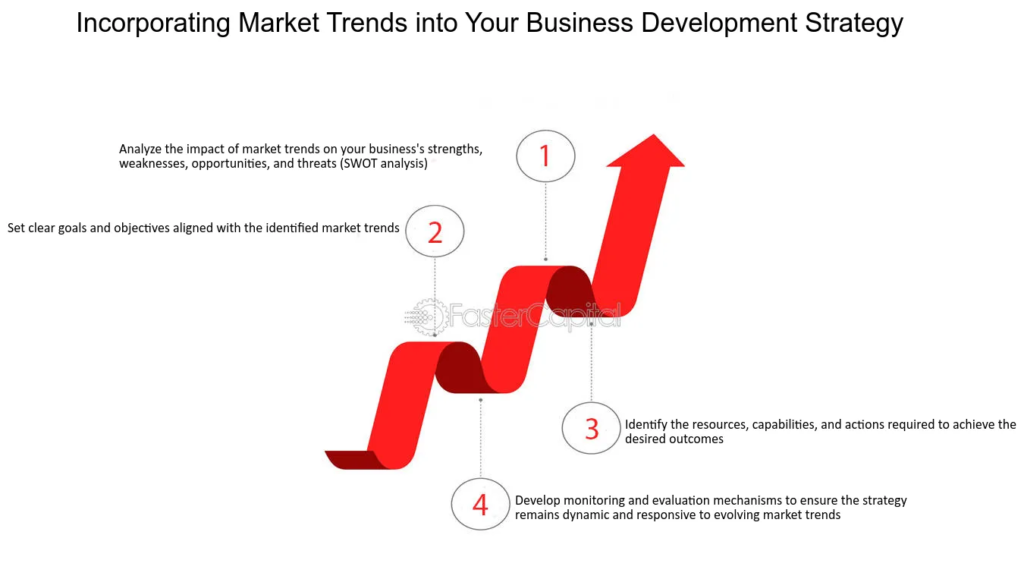
Putting the trends into practice involves strategy, process and skills.
Step 1: Audit Your Current Content Ecosystem
- Review content formats, channels, performance for 2024.
- Identify which trends you already follow and where gaps exist.
- Audit tools and workflows: how much is manual vs how much uses automation/AI.
Step 2: Update Your Content Strategy
- Align with trends: include short-form video plan, data-driven content, personalization.
- Choose 2-3 priority trends you can implement this year instead of chasing everything.
- Set measurable goals (engagement, distribution, discoverability, personalization metrics).
Step 3: Build New Workflows & Skills
- Introduce AI tools (ideation, content drafting, repurposing workflows).
- Train your team on “search everywhere” content optimisation (FAQs, voice, generative).
- Build processes for data-driven content (surveys, analytics, interactive).
- Foster creator/UGC/community workflows (co-creation, ambassador programs).
Step 4: Diversify Formats & Channels
- Launch a short-form video series tied to blog posts.
- Repurpose long-form articles into podcasts, interactive posts.
- Partner with micro-creators and influencers for authentic content.
- Use email and owned media to distribute variations of your content tailored to segments.
Step 5: Optimize for Discoverability
- Implement schema markup, structured data, FAQs for voice/generative search.
- Use conversational headings to capture voice queries.
- Monitor ranking not just in Google but in generative AI/assistant environments.
- Improve page speed, mobile experience, video load time.
Step 6: Measure, Iterate & Report
- Track metrics aligned with these trends: e.g., short-form video completion rate, UGC volume, personalization impact, distribution channel ROI.
- Set up dashboards distinguishing by format, channel, segment.
- Iterate content based on performance, shifting resources to what works.
5. Common Mistakes to Avoid

When adopting content marketing trends 2025, beware of the following pitfalls:
- Blanket “AI content generation” without human editing or brand voice → results feel generic, hollow.
- Producing short-form video without strategy or relevance to audience.
- Chasing viral at the cost of brand alignment or value—virality doesn’t always convert.
- Over-personalization without respecting privacy/data ethics → can erode trust.
- Focusing only on SEO for Google, ignoring voice assistants, generative search, social discovery.
- Creating content without distribution strategy (format mismatch, wrong channel).
- Publishing research/data but failing to promote it for links and authority (losing “Be the Source” potential).
- Ignoring brand purpose and authenticity—content detached from values will miss resonance.
6. Measuring Success in 2025’s Content Landscape

Tracking success means adapting your metrics for these new trends:
- Format-specific: short-form video views/completions, engagement rate, shares.
- Distribution: # of channels, creator collaborations, UGC submissions.
- Discoverability: traffic from voice search, generative AI references, featured snippets.
- Personalization: segment-specific engagement, conversion lift, repeat user behavior.
- Authority & linking: backlinks to “be the source” content, citation from external media.
- Brand trust/values: sentiment analysis, brand mentions tied to purpose initiatives.
- Efficiency: cost per content asset, repurposing rate, automation impact on workflow.
Set benchmarks for each metric, and report with actionable insights—what worked, what didn’t, what to scale.
7. Future Outlook: Content Marketing Beyond 2025
Looking past 2025, several trajectories will influence content marketing:
- Multimodal content: integration of text, audio, video, AR/VR for richer experiences.
- Deep personalization powered by AI agents that deliver content anticipatively.
- More integration between content, commerce, and community—shoppable videos, live commerce, creator economies.
- Further evolution of search: voice + generative AI will dominate discovery, making “answer” readiness crucial.
- Ethics, transparency, data rights will become regulatory focal points; brands will need to invest in compliant content practices.
- Sustainability and purpose will move from optional to expected—content will need to reflect brand contribution and impact.
Brands that build evergreen infrastructure (data, workflows, creator partnerships) will be best positioned.
8. Summary & Actionable Checklist
Summary
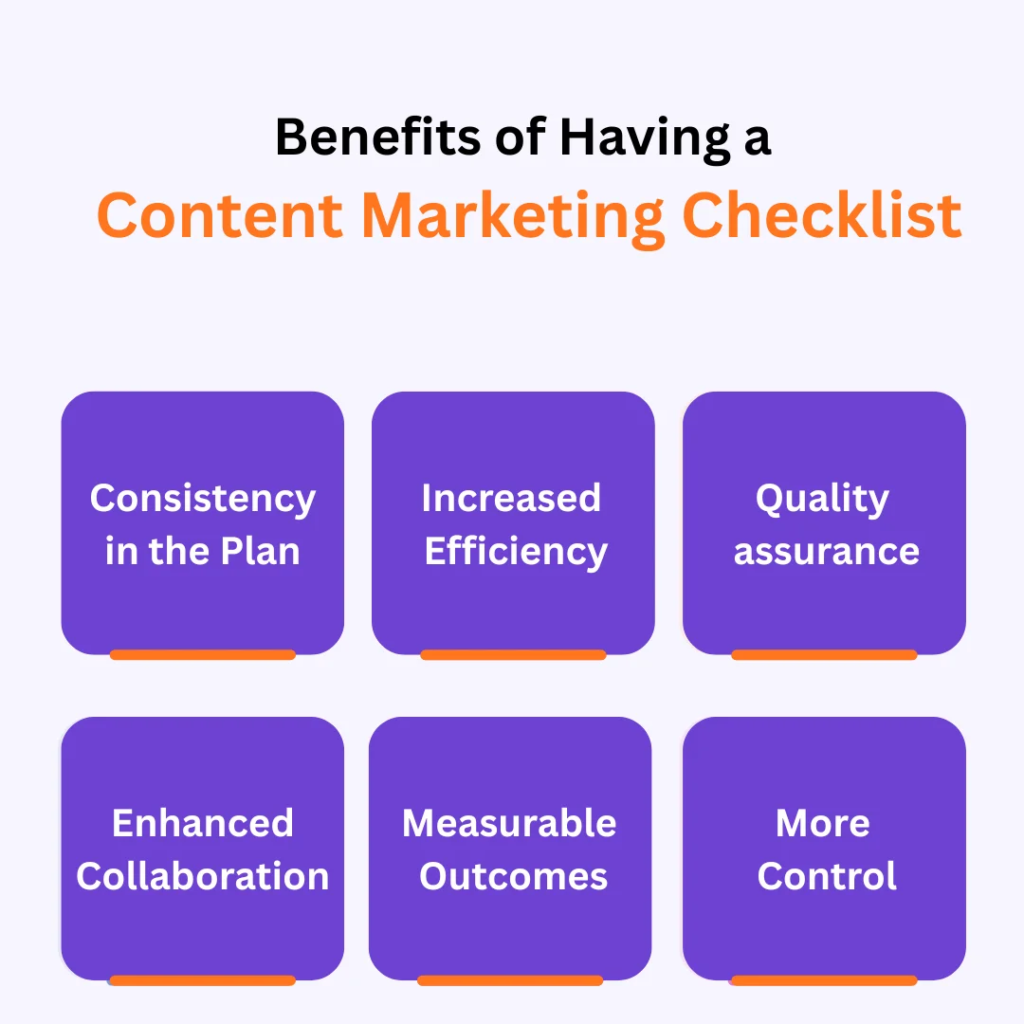
The content marketing trends 2025 reflect a transition from volume to value, from general to personalized, from single channel to many, from production to purpose. AI and automation enable scale—but human relevance, authenticity and strategic distribution remain the differentiators.
Actionable Checklist
- Audit your current content formats, channels, and workflows.
- Select 2-3 priority trends (e.g., short-form video + personalization + original research) to implement this year.
- Invest in AI tools and training for your team; establish content repurposing workflow.
- Optimize content for voice/generative search: include FAQs, structured data, conversational phrasing.
- Launch short-form video strategy: convert blog content to video, test interactive formats.
- Produce “Be the Source” content: original research, data, case studies.
- Embed brand purpose/authenticity into your content narrative; encourage UGC and creator partnerships.
- Diversify distribution: blog, YouTube Shorts, Instagram Reels, newsletters, podcasts, creator networks.
- Set up measurement dashboard with format, channel & discovery metrics; iterate monthly.
- Build future-proof workflows: modular content creation, repurposing, creator collaboration, adaptability.
9. Frequently Asked Questions (FAQs)
Q1. What are the most important content marketing trends 2025?
Key trends include AI-driven content creation, short-form video dominance, authenticity and purpose-driven content, search everywhere (voice/generative), personalization, distribution diversity, and research/data-rich content. Neil Patel+1
Q2. How does AI change content marketing in 2025?
AI supports ideation, automation, content generation, personalization and distribution. But success depends on human oversight, editing for brand voice, and ethical use.
Q3. Which content formats will perform best in 2025?
Short-form video (Reels, Shorts) remains high-performing. Long-form and interactive formats still matter when tied to research, community and unique data.
Q4. Do I still need SEO in 2025?
Yes—but SEO is evolving. You must optimise not just for search engines but for voice assistants, generative AI answer engines, and cross-platform discovery. See the concept of AEO/GEO. Wikipedia+1
Q5. How can brands maintain authenticity amid automation and AI?
Authenticity comes from real stories, values, user voices, transparency and community building—not just polished automation. Brands should leverage AI but maintain human relevance and purpose.

Your article helped me a lot, is there any more related content? Thanks! https://www.binance.info/ph/register?ref=IU36GZC4
Thanks for sharing. I read many of your blog posts, cool, your blog is very good.
I don’t think the title of your article matches the content lol. Just kidding, mainly because I had some doubts after reading the article.
Thank you for your sharing. I am worried that I lack creative ideas. It is your article that makes me full of hope. Thank you. But, I have a question, can you help me?