

Voice Search Optimization for Blogs: What Every Blogger Needs to Know

Learn how Voice Search Optimization for Blogs to optimize your blog for voice search with conversational keywords, structured content, FAQ schema, local SEO, and technical best practices. This comprehensive guide covers everything you need to rank higher in voice queries.
In the era of smart speakers, digital assistants, and hands-free queries, Voice Search Optimization for Blogs is no longer optional — it’s essential. When users ask Google Assistant, Siri, Alexa, or Cortana questions aloud, the nature of search changes. You must adapt your blog content, SEO strategy, and site architecture to be voice-friendly.
In this guide, I’ll walk you through everything you need to know — from keyword research to technical implementation — so your blog can capture more voice-driven traffic. By the end, you’ll have a robust strategy for Voice Search Optimization for Blogs.
1. Why Voice Search Matters for Blogs

- Voice search is growing rapidly. More people rely on voice assistants to find quick answers, especially on mobile devices and smart speakers.
- Voice queries often reflect real user intent — they are conversational, question-based, and long tail. Capturing those queries gives your blog more visibility.
- If your content is optimized for voice, you increase your chances of being read out as a top result, not just shown on a page.
- Voice optimization often improves general SEO too — better structured, clearer, more user-friendly content helps both voice and typed search.
Sources report that voice search optimization is becoming a core part of modern SEO strategy. SE Ranking+2Neil Patel+2
2. How Voice Search Differs from Typed Search
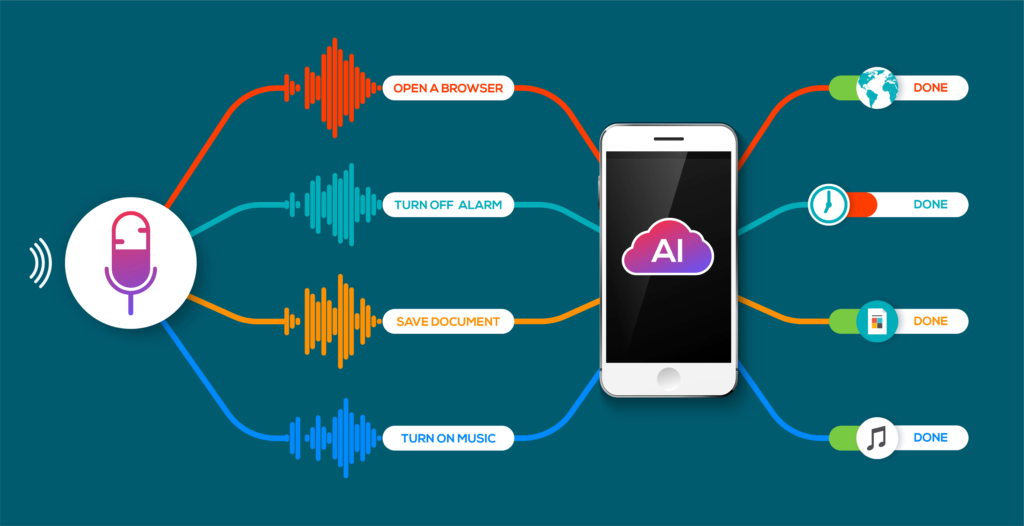
Understanding the differences between voice and text queries helps you tailor your strategy:
| Aspect | Typed Search | Voice Search |
|---|---|---|
| Query Length | Short, keyword-based (“best SEO tools”) | Longer, conversational (“What are the best SEO tools for small blogs?”) |
| Tone | Fragmented phrases | Full natural language, questions or statements |
| Intent Clarity | Could be ambiguous | Often clearer (“Where,” “How,” “Why,” “Who”) |
| Device | Desktop or mobile keyboard | Mobile phone, smart speaker, virtual assistants |
| Local Focus | Moderate | High — many voice searches are for local info (“near me”) |
Because voice queries mimic how people speak, your content should reflect natural speech and question formats. Search Engine Journal+2thundertech.com+2
3. Keyword Strategy for Voice Search
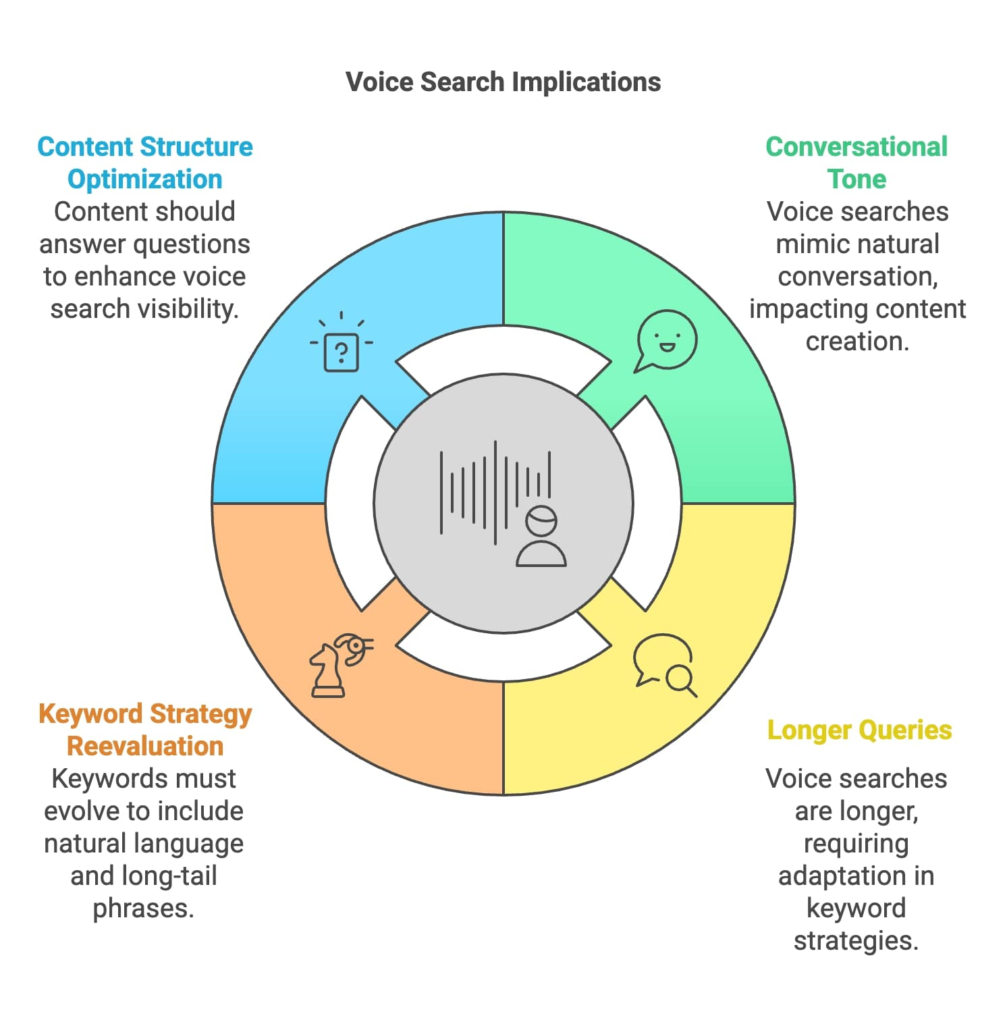
3.1 Use Conversational, Long-Tail Keywords
When people speak, they use more words, natural phrasing, and question formats. Focus on:
- Long-tail phrases (4–8 words or more)
- Natural speech patterns
- Question formulations (who, what, where, when, why, how)
For example, instead of:
“SEO tools blog”
You might aim for:
“What are the best SEO tools for bloggers in 2025?”
Neil Patel recommends shifting keyword research to voice-search–friendly terms. Neil Patel
3.2 Use Recommendation Tools for Voice Keywords
- Tools like AnswerThePublic, AlsoAsked, or People Also Ask can surface common voice queries.
- In keyword tools (SEMrush, Ubersuggest), filter by question-type or conversational results.
- Check your Google Search Console for query terms where your pages partially rank — turn some of those into more voice-friendly content.
3.3 Target Featured Snippets / Position Zero
Voice devices often read from featured snippets (position zero). To increase your chances:
- Provide direct, succinct answers (40–50 words) to user questions.
- Use lists, bullet points, tables.
- Phrase the question in a header (H2 or H3) and answer immediately below.
Search Engine Journal emphasizes that structuring content to gain featured snippets supports voice search success. Search Engine Journal
4. Content Structure & Format Best Practices
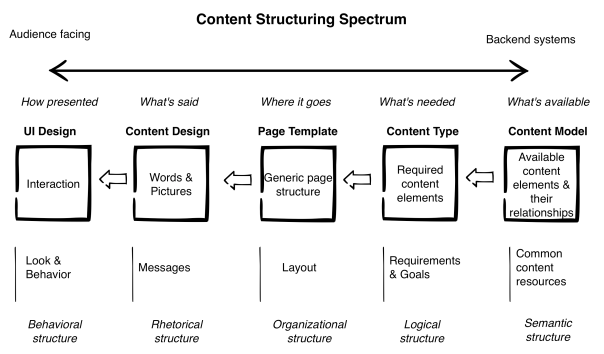
4.1 Use Conversational Tone
Write like you speak — short sentences, natural phrasing, simple language. Avoid heavy jargon. Many voices search users expect content that feels like a friendly answer. speechtechmag.com+1
4.2 Question Headers (H2/H3)
Frame your subheadings as questions (“How do I optimize voice search?”) and answer them. Search bots and voice assistants love that clarity. thundertech.com+1
4.3 Use Bullet Lists or Step-by-Step
Present steps, tips, or lists — voice assistants often prefer concise enumerations. For instance:
How to improve voice search ranking:
- Use conversational keywords
- Optimize for mobile speed
- Add FAQ sections
- Use schema markup
4.4 Keep Answer Paragraphs Short
Keep your paragraph answers under ~50 words so voice assistants can read them quickly.
4.5 Use Transitional and Context Phrases
Phrases like “In other words,” “Here’s how,” “That means” help readability and flow, and also mirror how people talk.
5. Using FAQ & Q&A Format
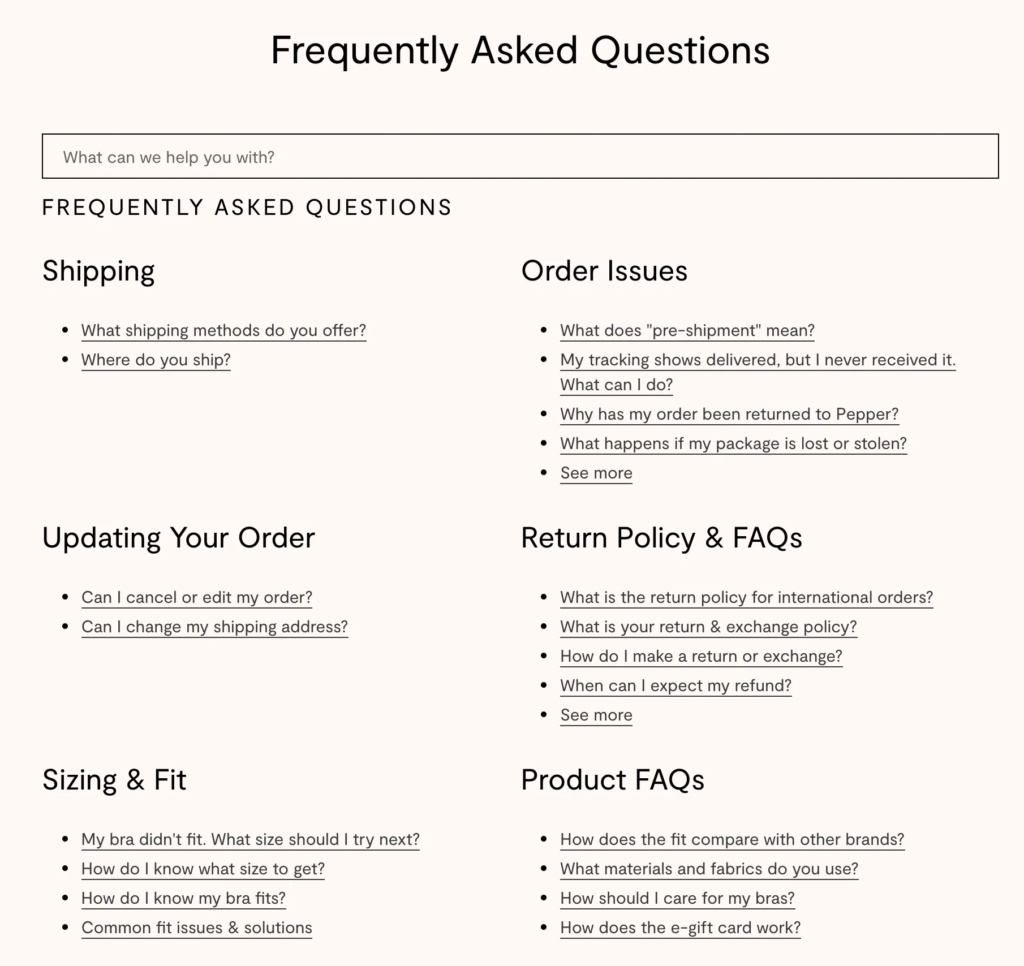
FAQ sections are golden for voice search. They map directly to how people ask questions.
5.1 Place FAQ Sections Strategically
Toward the bottom or at relevant places in your blog posts, embed an FAQ section with 5–10 common voice queries + answers.
5.2 Use FAQ Schema Markup
Wrap your FAQ in structured data (FAQPage schema) so search engines can better parse question-answer pairs, increasing your chance to appear in voice results.
5.3 Answer Before Asking
You can sometimes start a section by phrasing the question, then immediately answering — this helps search bots match your content to voice queries.
6. Local SEO & “Near Me” Queries

Many voice users look for nearby services — so if your blog has a local or regional angle, optimize accordingly.
6.1 Use Local Modifiers
Include “near me,” city names, or region names (naturally) in conversational phrases. Example: “best coffee shops near me in Indore.”
6.2 Update Google Business Profile
Ensure your business or brand (if you have one) is fully listed with correct address, phone number, opening hours, etc.
6.3 Embed Local Schema
Use LocalBusiness schema markup to signal to search engines your location details.
6.4 Create Localized Content
Write blog posts about local events, places, or services in your city or region. Local voice queries are more likely to pull from locally relevant content.
Sources show that mobile voice searches are 3× more likely to include local intent compared to typed searches. improvado.io+2forgeandsmith.com+2
7. Technical SEO for Voice Search

7.1 Ensure Mobile-First Design
Most voice searches happen on mobile devices, so you must have a mobile-friendly, responsive site.
7.2 Improve Page Speed
Load time is critical. Voice queries expect near-instant answers. Use tools like Google PageSpeed Insights, GTmetrix. Remove unnecessary scripts, compress images, use caching.
7.3 Use Clean, Crawlable Architecture
Ensure your site structure is logical, with clear hierarchy and internal linking. Breadcrumbs help too.
7.4 HTTPS & Secure Site
A secure site (HTTPS) is essential for all SEO, including voice optimization.
7.5 Implement AMP (Optional)
Accelerated Mobile Pages (AMPs) load very fast, which can help for voice results in mobile contexts.
8. Schema Markup & Structured Data
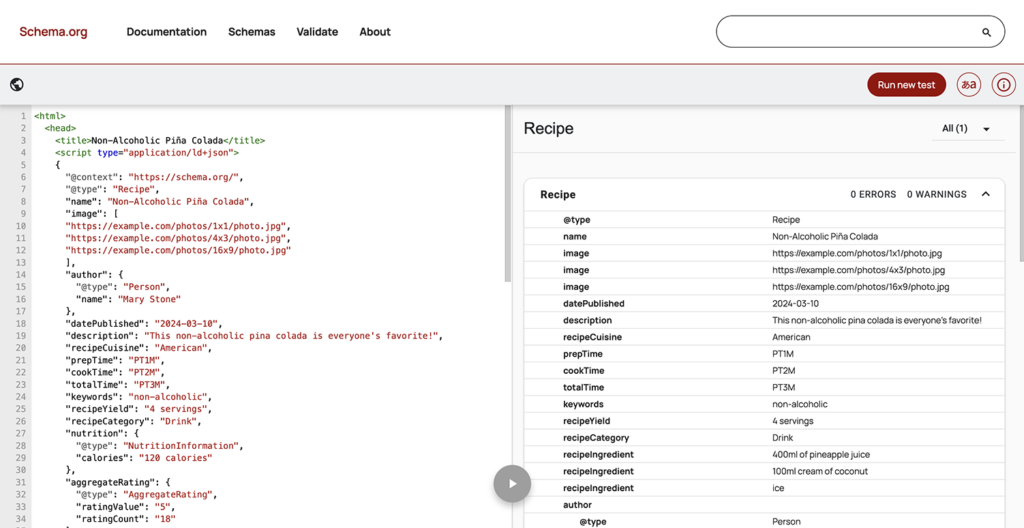
Structured data helps search engines understand your content better. For voice search:
- FAQPage schema: for FAQ sections.
- QAPage schema: for Q&A content.
- Article schema: for blog posts.
- LocalBusiness / Organization schema: if location or business data is relevant.
When properly implemented, structured data increases the chance your content is surfaced for voice search queries. wsiworld.com+2thundertech.com+2
9. Mobile Performance & Page Speed

Since most voice search happens on mobile, optimization here is non-negotiable:
- Use responsive design
- Minimize HTTP requests
- Optimize and lazy-load images
- Use browser caching and CDN
- Minimize use of heavy JavaScript
- Use compressed and minified CSS/JS
A slow site will hurt both voice and text SEO. wsiworld.com+1
10. Testing, Monitoring & Tools

10.1 Manual Voice Tests
- Use Google Assistant, Siri, Alexa — ask your key blog queries and see if your page is returned.
- Use multiple devices to test.
10.2 Tools & Analytics
- Google Search Console — track queries, impressions, clicks
- Ubersuggest, SEMrush, Ahrefs — track conversational keywords
- PageSpeed Insights — monitor speed
- Schema testing tools — validate structured data
10.3 Performance Metrics
Track metrics like:
- Voice-driven traffic
- Featured snippet appearances
- Local search rankings
- Bounce rate and dwell time
- Conversion rate from voice users
11. Common Mistakes to Avoid

- Keyword stuffing conversational phrases — be natural
- Ignoring local SEO signals
- No structured data
- Long, rambling paragraphs
- Poor mobile experience
- Not updating or auditing content over time
12. Emerging Trends in Voice Search
- Contextual & conversational follow-ups: voice assistants will become more conversational across multiple exchanges
- Personalization: voice results tailored to user history and profile
- Multimodal responses: voice + screen + visuals
- In-device processing: some voice queries processed on-device for speed/privacy
- Integration with IoT & home assistants: voice search expanding beyond phones
Consider evolving your strategy as voice tech grows.
13. Summary & Action Checklist
Key Takeaways
- Voice queries are conversational, question-based, long-tail
- Structure content for direct answers and featured snippets
- Use FAQ sections + schema markup
- Optimize local SEO if relevant
- Make your site fast, mobile-friendly, and technically sound
- Test, monitor, and refine
Action Checklist
- Compile voice-style queries using tools (AnswerThePublic, etc.)
- Audit existing posts — rewrite some headings as questions
- Add FAQ sections (5–10 Q&A) and apply FAQ schema
- Ensure your site is mobile-responsive and fast
- Add LocalBusiness schema (if applicable)
- Test queries with voice assistants
- Monitor in Google Search Console & analytics
- Iterate regularly
14. FAQs
Q: What is Voice Search Optimization for Blogs?
It is the practice of tailoring blog content, keyword strategy, and technical SEO to better match how users ask questions via voice assistants (Siri, Alexa, Google Assistant).
Q: Does voice SEO replace regular SEO?
No — voice SEO is a subset of SEO. Optimizing for voice also helps your general SEO performance.
Q: Can any blog rank for voice search?
Yes, if the content is structured, conversational, and meets best practices (speed, schema, mobile).
Q: How long will voice queries remain popular?
Voice search is trending upward — as smart assistants become more integrated, voice queries will only grow.
Q: Do I need to rewrite all my blog posts?
Not immediately. Start with your top-performing posts, add question headings/FAQs, and gradually optimize more posts.


Thank you for your sharing. I am worried that I lack creative ideas. It is your article that makes me full of hope. Thank you. But, I have a question, can you help me?
Your article helped me a lot, is there any more related content? Thanks! https://accounts.binance.com/ar/register?ref=PORL8W0Z
Your article helped me a lot, is there any more related content? Thanks!